

 2026-09-23 09:57:04
In global bulk liquid transportation, container availability has become an important factor in shipment planning. Fluctuating trade flows, port congestion, equipment imbalances and seasonal demand can make it difficult for exporters to secure the right container at the right time.
For companies transporting large volumes of non-hazardous liquids, shortages of 20-foot containers can create additional pressure on booking schedules, transportation costs and delivery commitments. As logistics providers and cargo owners look for greater flexibility, 40ft Flexitanks are emerging as an alternative worth considering for suitable applications.
How 20ft Container Shortages Affect Liquid Transportation
The 20-foot container remains a common choice for bulk liquid transportation using flexitanks. However, when equipment availability becomes limited, exporters may face:
l Booking delays: Limited container availability can affect shipment schedules and lead times.
l Higher logistics costs: Equipment shortages and changing freight conditions may increase transportation expenses.
l Reduced operational flexibility: Shippers may need to adjust loading plans, shipping dates or transportation routes.
l Greater planning pressure: Delayed equipment allocation can affect production, warehousing and delivery arrangements.
These challenges highlight the importance of having flexible transportation solutions that can adapt to different cargo volumes and logistics conditions.
Why Consider a 40ft Flexitank?
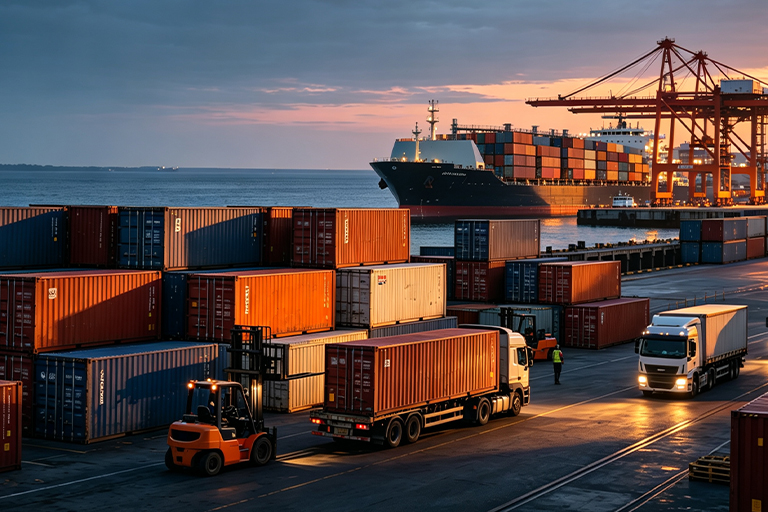
A 40ft Flexitank is designed for the transportation of compatible, non-hazardous bulk liquids in a 40-foot container. Compared with a standard 20ft solution, it provides an alternative container format for shippers whose cargo volumes, routes and equipment availability make 40-foot containers a practical option.
Depending on the cargo characteristics and container specifications, a 40ft Flexitank can offer several potential advantages:
l More Flexible Container Selection
When 20-foot equipment is difficult to secure, a 40-foot solution may provide an additional option for shipment planning. This flexibility can help exporters review a wider range of available equipment and transportation arrangements.
l Suitable for Larger-Volume Shipments
For businesses handling high-volume liquid cargo, a 40ft Flexitank can support transportation planning around larger container capacity. The actual filling volume should be determined according to cargo density, flexitank specifications, container limitations and applicable safety requirements.
l Adaptable to Different Logistics Scenarios
A 40ft Flexitank may be considered for selected applications involving edible oils, industrial oils, chemical raw materials and other compatible non-hazardous liquids. Cargo compatibility, loading and unloading conditions, transportation routes and container availability should always be assessed before selection.
Uni Flexitank: Flexible Solutions for Bulk Liquid Transportation
At Uni Flexitank, we provide flexitank solutions for different cargo characteristics and transportation requirements, including food-grade liquids, industrial oils, chemical raw materials and other non-hazardous bulk liquids.
In addition to 20ft Flexitank solutions, our 40ft Flexitank options offer customers another way to evaluate container utilization and shipment planning when equipment availability becomes a challenge.
The right flexitank is not only about capacity. It is about matching your cargo, container and logistics requirements. Contact Uni Flexitank to discuss a suitable bulk liquid transportation solution for your next shipment.
 2026-09-04 16:26:49
As global supply chains move toward more sustainable logistics, companies are looking beyond product manufacturing to reduce the environmental impact of transportation and packaging. For non-hazardous bulk liquids, the choice of packaging can make a meaningful difference.
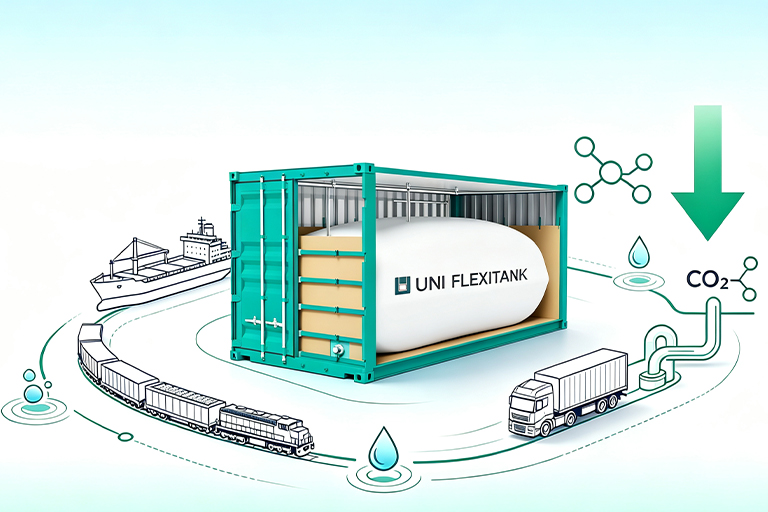
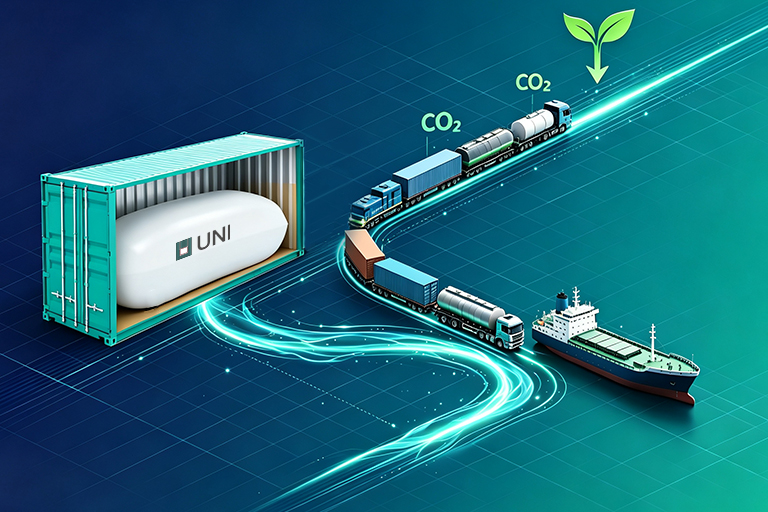
Compared with drums, IBCs, and ISO tank containers, flexitanks can help reduce carbon emissions by combining higher loading efficiency, lightweight packaging, and simplified one-way logistics.
More Cargo in Fewer Containers
One of the most direct ways to reduce transportation emissions is to move more cargo with fewer containers.
A flexitank installed in a standard 20-ft container can carry 24,000L liquid cargo in a single shipment. Compared with drum packaging, this can significantly improve container utilization and reduce the number of containers required for the same total cargo volume.
Fewer containers mean fewer port handling operations, less transportation activity, and potentially lower emissions across the logistics chain.
Lightweight Packaging Means Less Transport Weight
Traditional bulk liquid transportation often relies on steel drums, IBCs, or other rigid packaging. These packaging systems add considerable weight to the shipment itself.
Flexitanks are made from lightweight flexible materials and are designed to use the existing container as the external transport structure. By reducing packaging weight, flexitanks can help improve the overall payload-to-weight ratio and reduce the energy required to transport the same quantity of liquid cargo.
One-Way Logistics Reduces Reverse Transportation
Empty packaging can create an often-overlooked environmental burden.
Reusable drums, IBCs, and ISO tanks may require return transportation after cargo delivery. ISO tanks may also require cleaning and repositioning before their next shipment, creating additional logistics movements and associated energy consumption.
Flexitanks are designed as single-use packaging solutions. After unloading, the used flexitank can be collected and processed according to applicable recycling and waste-management practices, eliminating the need for empty flexitank return transportation.
Less Cleaning and Resource Consumption
Reusable tanks and rigid containers require cleaning between compatible cargoes. This process consumes water, cleaning agents, energy, and labor, while also generating wastewater that needs to be treated.
With a new flexitank used for each shipment, the need for cargo-container cleaning can be significantly reduced. This helps simplify operations while reducing the resources associated with cleaning and preparation.
Supporting More Sustainable Bulk Liquid Logistics
The environmental benefits of flexitanks come from the overall logistics model rather than from packaging material alone: higher cargo utilization, lower packaging weight, reduced reverse logistics, and less cleaning can work together to reduce the environmental footprint of bulk liquid transportation.
At Uni Flexitank, we develop and manufacture flexitanks for a wide range of non-hazardous liquids, including edible oils, fruit juices, wine, base oils, polyols, plasticizers, surfactants, and other industrial liquids.
By helping customers transport more liquid cargo with simpler logistics and less packaging, Uni Flexitank supports more efficient and sustainable bulk liquid supply chains.
Choosing the right flexitank is not only a logistics decision—it can also be a step toward a lower-impact transportation model.
 2026-08-10 16:17:33
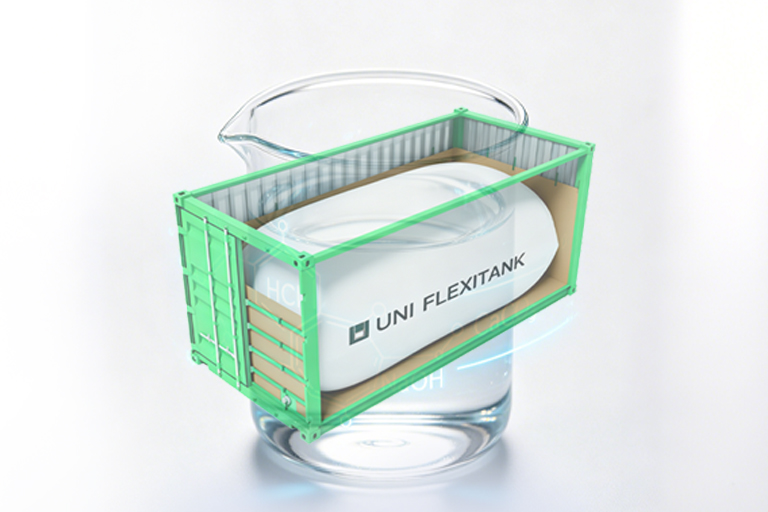
Choosing the right flexitank is not simply about selecting a suitable container size. The characteristics of the liquid cargo, transportation conditions, temperature requirements, and loading method all influence the right flexitank configuration. A well-matched solution can help protect cargo quality, improve loading efficiency, and optimize overall logistics costs.
Here are the key factors to consider when selecting a flexitank for your liquid cargo.
1. Start with the Characteristics of Your Cargo
The first step is to identify the physical and chemical properties of the liquid.
For food-grade liquids such as edible oils, wine, fruit juice, and syrups, a food-grade flexitank made with compliant PE film is generally required to ensure safe contact with the cargo.
For oxygen-sensitive products, including certain juices, oils, beverages, and specialty chemicals, an oxygen-barrier flexitank with an EVOH barrier layer can provide enhanced protection against oxygen permeation and help maintain product quality during long-distance transportation.
For non-hazardous industrial liquids such as base oils, polyols, plasticizers, and surfactants, the flexitank should be selected according to product compatibility, viscosity, temperature, and other handling requirements.
2. Consider Temperature Requirements
Temperature can directly affect the flowability and handling of liquid cargo.
If your product needs to be transported in cold environments, a low-temperature flexitank can provide better flexibility and impact resistance under low-temperature conditions.
For products that require hot filling or temperature-controlled unloading, such as bitumen, liquid paraffin, and certain industrial oils, a high-temperature flexitank combined with an appropriate heating solution can help maintain cargo flowability and facilitate unloading.
For temperature-sensitive food and beverage products, a reefer flexitank designed for refrigerated containers can provide a more controlled transportation environment.
3. Check Viscosity and Unloading Conditions
Viscosity is another important factor, particularly for products such as syrups, molasses, and certain industrial oils.
High-viscosity liquids may require additional temperature management to improve flowability during unloading. In these cases, selecting a flexitank compatible with heating pads or other heating systems can make the discharge process faster and more efficient.
Understanding the cargo's viscosity and unloading temperature before shipment can help avoid unnecessary delays and product residue.

4. Choose the Right Container Size
The choice between a 20-ft and 40-ft flexitank depends on cargo volume, container availability, transportation routes, and logistics costs.
20-ft flexitanks are widely used for conventional bulk liquid shipments and can typically accommodate large volumes in a single container.
When 20-ft containers are in short supply or freight capacity is constrained, a 40-ft flexitank can provide an alternative by making better use of available container resources and offering greater flexibility in logistics planning.
5. Consider Your Transportation Mode
Flexitanks can be used across different transportation scenarios, including ocean, rail, road, and multimodal transportation.
For international ocean shipments, standard container flexitanks are commonly used for one-way bulk liquid transportation. For regional distribution and inland transportation, Truck Flexitanks can provide a flexible alternative without requiring a standard shipping container.
The transportation route and handling environment should therefore be considered when selecting the appropriate flexitank solution.
6. Match the Flexitank to Your Cargo
There is no single flexitank solution suitable for every liquid cargo. The right choice depends on the combination of cargo properties, temperature, viscosity, loading volume, container type, and transportation conditions.
At Uni Flexitank, we offer a range of solutions including Food-Grade Flexitanks, Oxygen-Barrier Flexitanks, Low-Temperature Flexitanks, High-Temperature Flexitanks, Reefer Flexitanks, and Truck Flexitanks.
From edible oils and wine to base oils, polyols, plasticizers, fruit juice, and other non-hazardous liquids, Uni Flexitank helps customers select the appropriate solution based on their specific transportation requirements.
The right flexitank is more than a packaging choice—it is an important part of an efficient and reliable bulk liquid supply chain.
Contact Uni Flexitank to discuss your cargo requirements and find the right flexitank solution for your next shipment.
 2026-07-23 11:39:06
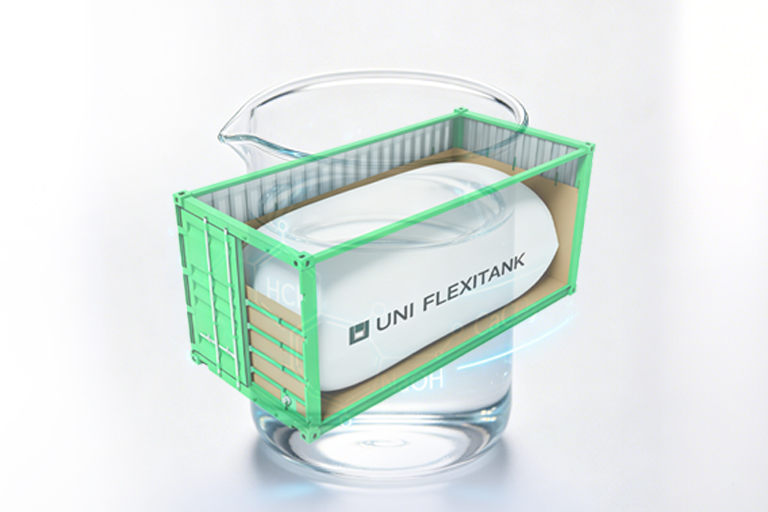
As global trade in liquid chemicals continues to grow, the way these products are transported is reshaping the economics of international chemical logistics. From base oils shipped across oceans to polyols delivered for polyurethane production, manufacturers are seeking transportation solutions that reduce costs while maintaining product quality. Compared with traditional steel drums, IBCs, and ISO tank containers, flexitanks have become an increasingly popular solution for transporting non-hazardous liquid chemicals safely, efficiently, and economically.
Designed for Non-Hazardous Liquid Chemicals
A flexitank converts a standard 20-ft container into a bulk liquid carrier with a loading capacity of up to 24,000 liters, making it ideal for one-way international shipments. Typical chemical products suitable for flexitank transportation include:
l Industrial oils: Base oils, lubricating oils, castor oil, white oil, glycerin, hydraulic oil, transformer oil, industrial gear oil. Among these, base oil is one of the world's most traded lubricant raw materials, requiring high standards of cleanliness and cost-efficient transportation.
l Chemical raw materials: Polyether polyols, polyester polyols, plasticizers, synthetic resins, detergents, disinfectants, surfactants, propylene glycol, ethylene glycol. These products are widely used in polyurethane, coatings, textiles, household chemicals, and many other industrial applications.
Why More Chemical Companies Choose Flexitanks
Compared with conventional packaging methods, flexitanks offer several important advantages.
l Higher Loading Efficiency
A single 20-ft flexitank can carry up to 24,000 liters of liquid cargo, increasing payload by more than 35% compared with drum packaging. Higher loading capacity means fewer containers are required, helping reduce ocean freight and overall transportation costs.
l Lower Total Logistics Costs
As a single-use solution, flexitanks eliminate empty package returns, tank cleaning, and ISO tank rental fees. By reducing packaging, transportation, and warehousing expenses, businesses can lower overall logistics costs by more than 30%.
l Faster Loading and Unloading
Pump-assisted loading and discharge allow operations to be completed quickly with minimal labor. Compared with drums and IBCs, flexitanks significantly improve handling efficiency while reducing labor and operational costs.
l Dedicated Packaging for Every Shipment
Each shipment uses a brand-new flexitank, eliminating the risk of cross-contamination between different products or production batches. This is especially valuable for chemical products that require high purity and consistent quality.
Typical Applications
Base Oils: As the primary raw material for lubricant production, base oils require clean transportation conditions. Uni Flexitank utilizes food-grade multi-layer PE films combined with a high-strength PP outer layer to protect cargo from external contamination while preventing cross-contamination between different grades of base oils.
Polyether & Polyester Polyols: Widely used in the polyurethane industry, polyether and polyester polyols are moisture-sensitive products. The excellent sealing performance of flexitanks helps isolate humidity and protect product quality during transportation. Flexitanks have already proven to be a practical and economical solution for container shipping and multimodal transportation of polyols.
Surfactants: Surfactants are widely used in detergents, emulsifiers, and industrial formulations. Some products are sensitive to temperature and oxidation during transportation. The multi-layer film structure of flexitanks provides reliable barrier protection while reducing leakage risks and minimizing product losses.
Uni Flexitank: Reliable Solutions for Chemical Transportation
Uni Flexitank specializes in manufacturing high-quality flexitanks for a wide range of non-hazardous liquid chemicals, including base oils, polyols, surfactants, plasticizers, and other industrial liquids.
Constructed with food-grade multi-layer PE films and high-strength outer materials, Uni Flexitanks deliver outstanding puncture resistance, impact strength, and sealing performance, ensuring cargo remains safe throughout ocean, rail, and road transportation.
Whether you're shipping chemical raw materials across continents or optimizing regional supply chains, Uni Flexitank provides a safer, more efficient, and more cost-effective bulk liquid transportation solution.
 2026-07-14 09:50:12
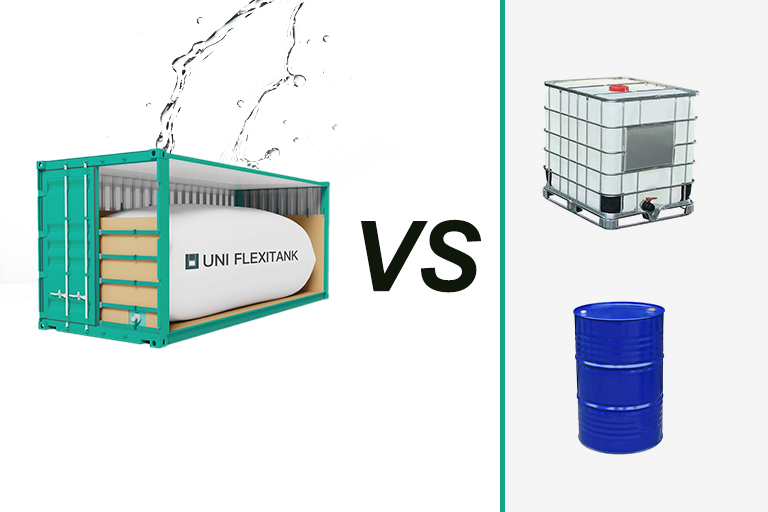
Choosing the right packaging solution is a critical factor in controlling logistics costs for international bulk liquid transportation. While steel drums, IBCs, and ISO tank containers each have their own applications, flexitanks are increasingly recognized as the most cost-effective option for one-way shipments of non-hazardous liquids.
1. Higher Payload, Lower Freight Costs
Loading capacity directly impacts transportation costs. A standard 20-ft container equipped with a flexitank can carry up to 26,000 liters of liquid cargo, utilizing almost the entire container space. Compared with steel drums, this represents a 40%–80% increase in payload, while offering 15%–30% more capacity than IBCs.
Higher payload means fewer containers are required to transport the same volume of cargo, resulting in lower ocean freight, port handling charges, customs clearance costs, and inland transportation expenses. In many cases, cargo that previously required six drum-loaded containers can be shipped using only four flexitank containers.
2. Lower Packaging Investment
Although steel drums and IBCs are reusable, they require continuous investment through new purchases or empty package returns after each shipment. Steel drums are susceptible to deformation and damage during handling and transportation, while IBCs involve relatively high procurement costs, especially for large-volume exports.
Flexitanks are designed for single-use applications, offering a much lower packaging cost for the same shipping volume. There are no deposits, no return logistics, and no cleaning requirements. Packaging expenses remain predictable and directly proportional to shipment volume. Overall, flexitanks can reduce packaging costs by 50%–80% compared with traditional packaging methods.
3. Faster Operations, Lower Labor Costs
Traditional packaging requires filling, sealing, palletizing, securing, loading, and unloading each individual drum or IBC, making the entire process labor-intensive and time-consuming.
Flexitanks use pump-assisted loading and unloading, allowing the entire operation to be completed in approximately 20–40 minutes by only one or two operators. Compared with drum transportation, labor requirements and operating time can be reduced by more than 80%, providing significant efficiency gains for high-volume shipments.
4. Eliminating Hidden Costs
Many of the highest logistics costs are often hidden. ISO tank containers require expensive leasing, repositioning, and professional cleaning after every shipment. Steel drums and IBCs generate additional reverse logistics costs for returning empty packaging while occupying valuable warehouse space.
As a single-use packaging solution, flexitanks eliminate container cleaning, empty package returns, rental fees, and related handling costs. Their fully sealed design also minimizes cargo loss during transportation, helping reduce product waste and improve delivery reliability.
A More Cost-Effective Solution for Bulk Liquid Transportation
When considering the complete logistics process, flexitanks offer clear cost advantages for one-way international transportation of non-hazardous liquids. Higher payload reduces freight costs, lower packaging investment minimizes capital expenditure, simplified operations reduce labor costs, and the elimination of cleaning and return logistics removes unnecessary hidden expenses.
For exporters of edible oils, fruit juices, base oils, chemical raw materials, and other non-hazardous liquids, flexitanks provide an efficient and economical transportation solution that helps improve supply chain performance while reducing total logistics costs.
Guangzhou Weiyi Plastic Co., Ltd. specializes in the design and manufacture of high-quality flexitanks for bulk liquid transportation. We are committed to providing safe, reliable, and cost-effective logistics solutions tailored to your business needs.
Contact us today to learn more about our flexitank solutions and customized transportation services.
 2026-06-29 13:15:17
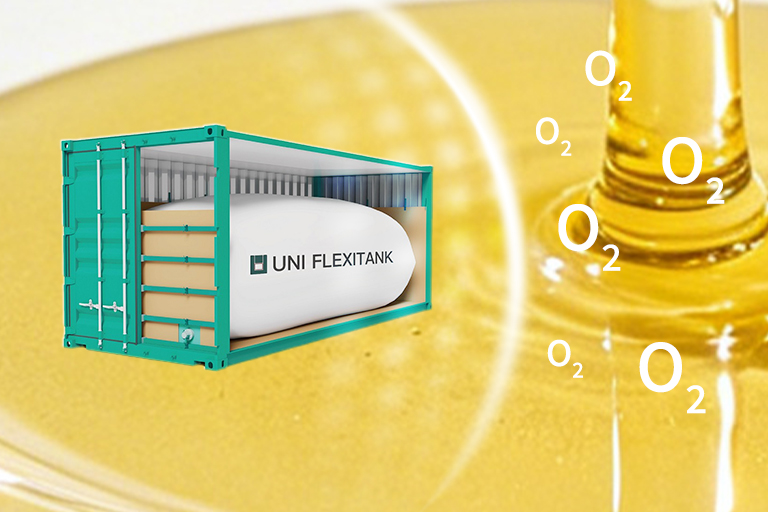
As global trade in food-grade and specialty liquids continues to expand, maintaining product quality during transportation has become more important than ever. For oxygen-sensitive products such as wine, fruit juice concentrates, edible oils, food additives, and certain specialty chemicals, exposure to oxygen during transit can lead to oxidation, flavor loss, quality deterioration, and reduced shelf life.
To address these challenges, more shippers are turning to Oxygen-Barrier Flexitanks.
Unlike standard flexitanks, Oxygen-Barrier Flexitanks incorporate an advanced EVOH (Ethylene Vinyl Alcohol) barrier layer within the multi-layer film structure. This high-barrier technology significantly reduces oxygen permeation, helping maintain a stable environment inside the flexitank throughout long-distance transportation.
The benefits are clear:
l Reduced risk of oxidation and product degradation
l Better preservation of flavor, aroma, and freshness
l Improved product stability during long-haul shipping
l Greater confidence in cargo quality upon arrival
Oxygen-Barrier Flexitanks are particularly suitable for products that require enhanced protection throughout the supply chain.
Typical Applications
l Wine
As bulk wine transportation and destination bottling become increasingly common, oxygen-barrier technology helps preserve the original characteristics and flavor profile of the wine during international transport.
l Fruit Juice Concentrates
By limiting oxygen exposure, barrier flexitanks help maintain color, taste, and nutritional value throughout the journey.
l Edible Oils
Premium edible oils benefit from enhanced protection against oxidation, helping maintain freshness and product quality.
l Food Ingredients & Specialty Liquids
Many food additives, flavorings, and specialty liquid products require additional oxygen protection to ensure consistent quality.
In addition to superior cargo protection, Oxygen-Barrier Flexitanks retain the key advantages of conventional flexitanks, including loading capacities of up to 26,000 liters, lower logistics costs compared with drums and IBCs, efficient loading and unloading, and reduced packaging waste.
At Uni Flexitank, our Oxygen-Barrier Flexitanks are engineered with advanced multi-layer barrier technology to meet the growing demands of global liquid logistics. By combining high-capacity bulk transportation with enhanced oxygen protection, they help customers reduce costs while safeguarding product quality from origin to destination.
Uni Flexitank — Preserving Quality Every Mile of the Journey.
 Tel:+ 86 17512811383
 Fax:+ 86 17512811383
 E-mail:sales@uflexitank.com
 Add:No.1, Logisitcs Industrial Estates, Chigang Hill Haizhong Village Fangcun, Liwan District, Guangzhou, China