



 2025-07-25 16:26:03
Base oil—often called the lifeblood of industrial machinery—is the core component of lubricants and greases, typically making up 67–90% of the final product’s mass. Whether refined from crude oil or produced synthetically, base oils act as the carrier for additives and directly impact the quality, performance, and longevity of lubricants.
From automotive engines and construction equipment to precision gearboxes, hydraulic systems, and wind turbines, base oil keeps industries running smoothly. Its chemical stability, viscosity consistency, and purity are crucial to protecting expensive machinery and extending service life.
Logistics Challenges: Purity and Cost Go Hand in Hand
Due to its high value and critical role, base oil must be shipped with care. Key challenges include:
● Preventing Contamination: Any foreign particles can degrade product quality and impact downstream applications.
● Maintaining Chemical Stability: Packaging must resist chemical reactions or swelling that could compromise the oil.
● Efficient Bulk Handling: Different viscosities require smooth loading and unloading without residue or product loss.
● Cost Control: With high volumes in global trade, choosing the right bulk transport method has a major impact on operational costs.
Why Flexitanks Are the Smart Choice for Base Oil
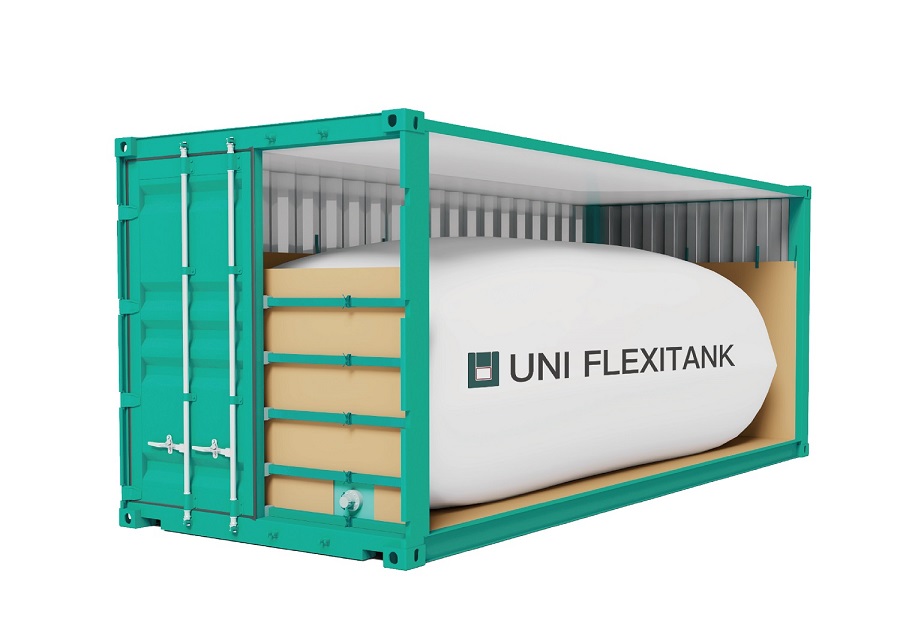
Flexitanks—food-grade, multi-layer liners fitted inside standard 20-foot containers—are revolutionizing how base oils move around the world. Here’s why:
● Higher Payload, Lower Costs
One flexitank can hold up to 24,000 liters, compared to around 16,000 liters with drums. More oil per container means fewer shipments, lower freight costs, and greater efficiency for high-volume routes.
● Maximum Product Protection
Uni flexitanks use advanced multi-layer barrier films and a durable woven outer layer to protect the oil from leaks, evaporation, or contamination. Unlike drums or tanks that require cleaning, single-use flexitanks ensure every batch stays pure.
● Seamless Loading & Discharge
Base oil’s viscosity demands smooth flow. Flexitanks are designed for easy pump connections, allowing clean, efficient loading and unloading with minimal residue—saving time and reducing operational hassle.
● No Return Logistics
With flexitanks, there’s no need to manage cleaning or return trips for empty containers, cutting waste and operational costs.
● Sustainable and Compliant
Uni flexitanks are made from recyclable materials, aligning with the industry’s push for greener supply chains and lower carbon footprints.
Base Oil Flexitank
Unlock Greater Value in Every Drop
For producers, traders, and end-users alike, every liter of base oil is an investment in performance. Uni flexitank solutions help you protect product integrity, simplify global shipments, and reduce logistics costs—all while supporting sustainability targets. Contact us to discover how our flexitank solutions can help you deliver more value, more efficiently—one shipment at a time.
 2025-07-25 16:29:15
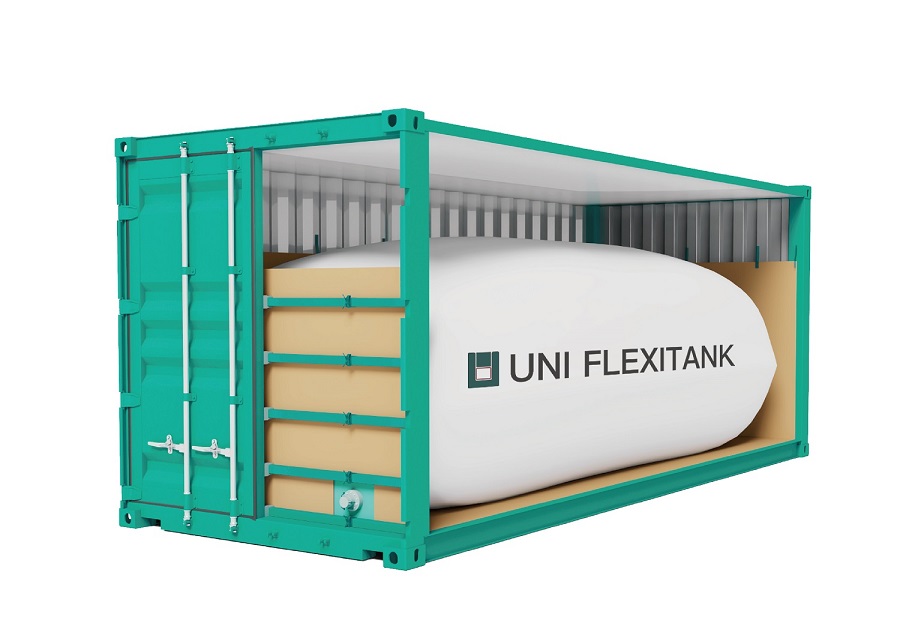
Flexitank is a flexible liquid transport packaging solution specifically designed for bulk liquid cargo transportation via shipping containers. It is an innovative method of liquid transport that offers low cost, high efficiency, and environmental friendliness, and is widely used for transporting various liquid products, including chemicals, food, beverages, plant oils, wines, etc.
1. Main Advantages of Flexitank
- Cost Efficiency: Compared to traditional barrel or tank transport methods, flexitanks offer higher loading efficiency, allowing for the transport of more liquid cargo at once, thus reducing transportation costs.
- Environmental Friendliness: Due to their lightweight design, flexitanks reduce carbon emissions and resource waste during transportation.
- Space Utilization: The design of the flexitank maximizes the use of the internal space of the container, reducing gaps and thus improving transportation efficiency.
- Simplified Operation: Loading and unloading flexitanks are simpler than traditional methods, reducing labor intensity and improving work efficiency.
2. Application Scope
Flexitanks are widely used for the transportation of the following types of liquid products:
- Food and Beverages: Such as wine, juice, edible oils, etc.
- Non-hazardous Chemicals: Such as chemical solvents, etc.
- Industrial Liquids: Such as lubricating oils, liquid cleaners, etc.
3. Safety of Flexitanks
Flexitanks are designed with strict safety standards, offering pressure resistance, shock absorption, and corrosion resistance. During transportation, the liquid inside the flexitank remains stable, effectively preventing external factors from affecting the liquid. Additionally, accessory systems like steel bars ensure safety during long-distance transportation.
4. Environmental Benefits of Flexitanks
The materials used for flexitanks are mostly recyclable, and they are lighter than traditional metal or plastic containers, saving on transportation costs. Furthermore, the design of flexitanks reduces environmental impact, not only lowering transportation costs but also reducing cargo loss and its impact on the environment.
Flexitanks, as an efficient and environmentally friendly liquid transport solution, have been widely adopted in global logistics and transportation industries. Their low cost, high efficiency, and environmental benefits make them an essential way for modern liquid cargo transport. Through flexible flexitank transport, it can reduce transportation costs, improve efficiency, and meet the logistical demands of a globalized economy. As international trade continues to grow, the use of flexitanks will become more widespread, playing an important role in driving sustainable development in the logistics industry.
 Tel:+ 86 17512811383
 Fax:+ 86 17512811383
 E-mail:sales@uflexitank.com
 Add:No.1, Logisitcs Industrial Estates, Chigang Hill Haizhong Village Fangcun, Liwan District, Guangzhou, China