

 2026-06-29 13:15:17
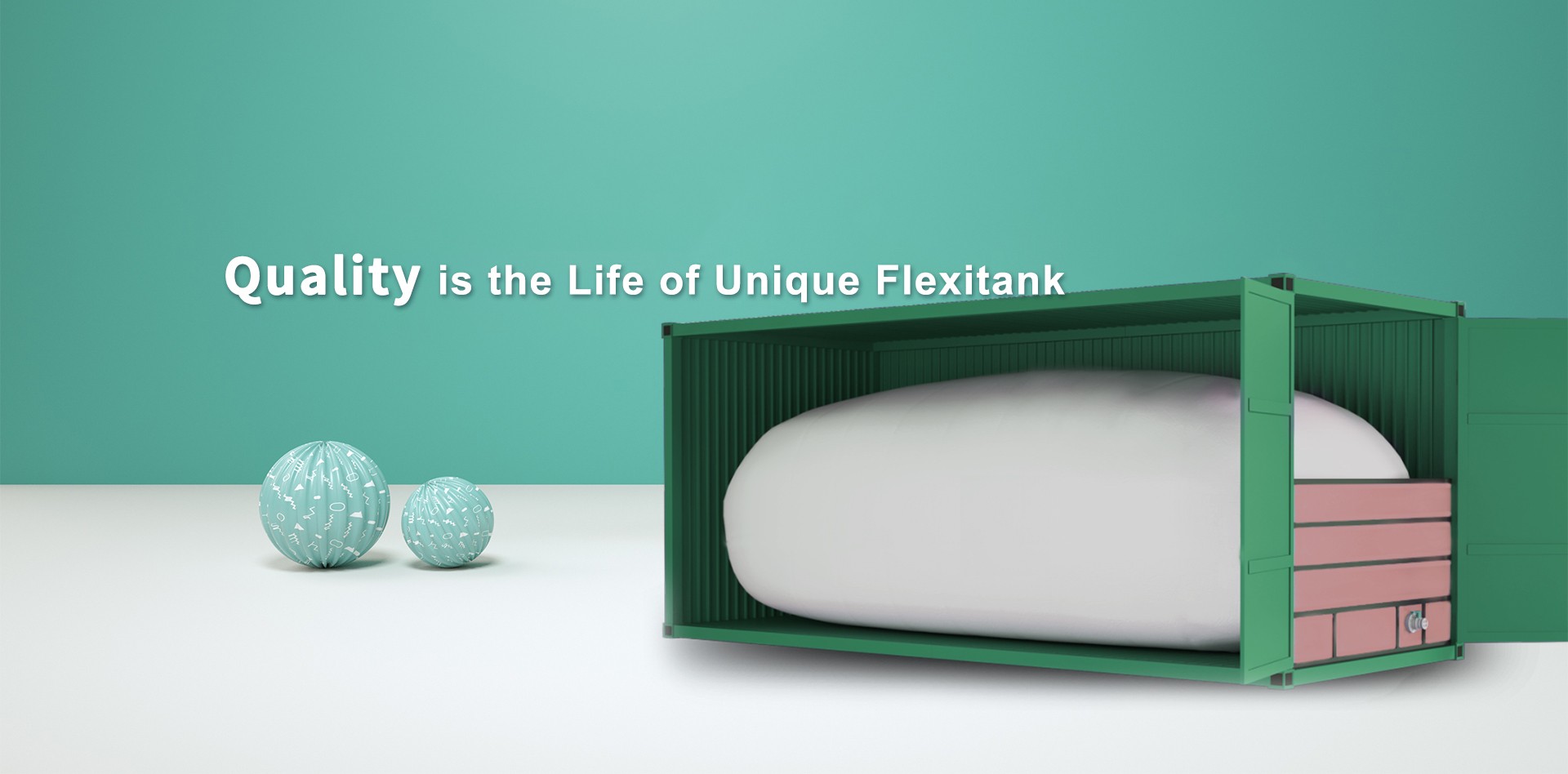
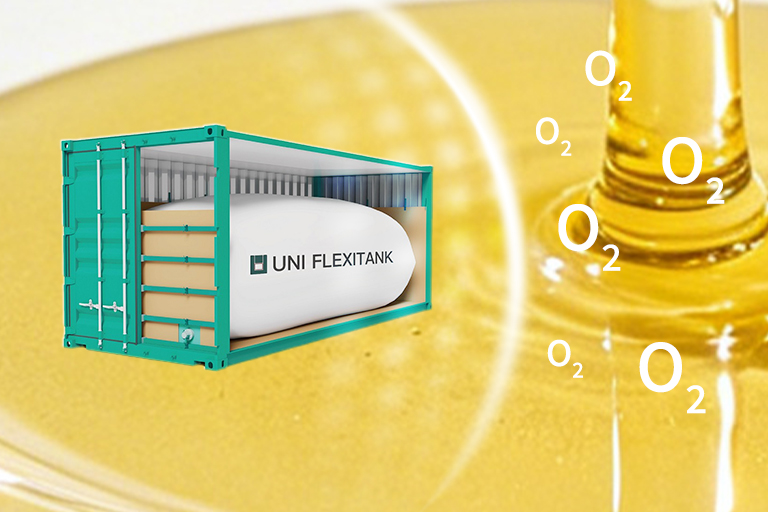
As global trade in food-grade and specialty liquids continues to expand, maintaining product quality during transportation has become more important than ever. For oxygen-sensitive products such as wine, fruit juice concentrates, edible oils, food additives, and certain specialty chemicals, exposure to oxygen during transit can lead to oxidation, flavor loss, quality deterioration, and reduced shelf life.
To address these challenges, more shippers are turning to Oxygen-Barrier Flexitanks.
Unlike standard flexitanks, Oxygen-Barrier Flexitanks incorporate an advanced EVOH (Ethylene Vinyl Alcohol) barrier layer within the multi-layer film structure. This high-barrier technology significantly reduces oxygen permeation, helping maintain a stable environment inside the flexitank throughout long-distance transportation.
The benefits are clear:
l Reduced risk of oxidation and product degradation
l Better preservation of flavor, aroma, and freshness
l Improved product stability during long-haul shipping
l Greater confidence in cargo quality upon arrival
Oxygen-Barrier Flexitanks are particularly suitable for products that require enhanced protection throughout the supply chain.
Typical Applications
l Wine
As bulk wine transportation and destination bottling become increasingly common, oxygen-barrier technology helps preserve the original characteristics and flavor profile of the wine during international transport.
l Fruit Juice Concentrates
By limiting oxygen exposure, barrier flexitanks help maintain color, taste, and nutritional value throughout the journey.
l Edible Oils
Premium edible oils benefit from enhanced protection against oxidation, helping maintain freshness and product quality.
l Food Ingredients & Specialty Liquids
Many food additives, flavorings, and specialty liquid products require additional oxygen protection to ensure consistent quality.
In addition to superior cargo protection, Oxygen-Barrier Flexitanks retain the key advantages of conventional flexitanks, including loading capacities of up to 26,000 liters, lower logistics costs compared with drums and IBCs, efficient loading and unloading, and reduced packaging waste.
At Uni Flexitank, our Oxygen-Barrier Flexitanks are engineered with advanced multi-layer barrier technology to meet the growing demands of global liquid logistics. By combining high-capacity bulk transportation with enhanced oxygen protection, they help customers reduce costs while safeguarding product quality from origin to destination.
Uni Flexitank — Preserving Quality Every Mile of the Journey.
 2026-05-14 11:22:12
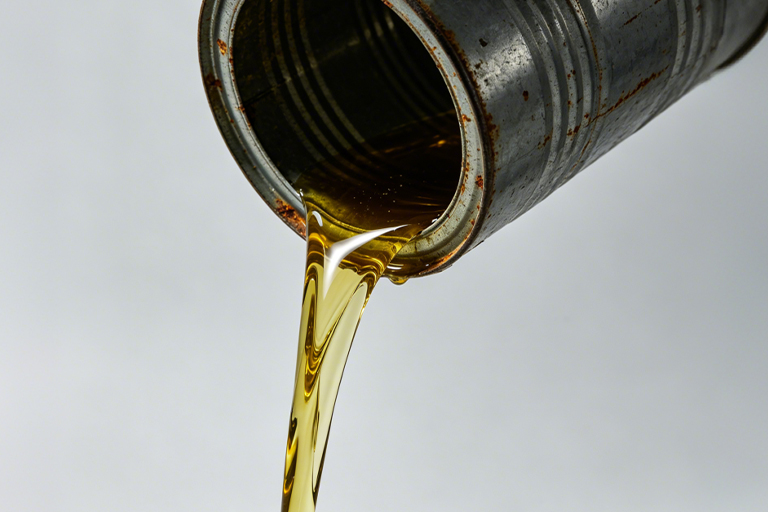
As global decarbonization policies accelerate, the demand for biofuels and Sustainable Aviation Fuel (SAF) is rapidly increasing worldwide. Europe, the United States, and Southeast Asia are continuously raising biodiesel and SAF blending mandates, driving strong growth in the cross-border transportation of liquid biofuel feedstocks such as palm oil, Used Cooking Oil (UCO), animal fats, and vegetable oils.
This fast-growing market is creating new challenges for bulk liquid logistics. Traditional transportation methods, including drums and ISO tank containers, are often limited by high operating costs, complex cleaning procedures, and inefficient turnaround times. As a result, more producers, traders, and logistics providers are turning to flexitanks as a more efficient and economical transportation solution.
Designed for standard 20-ft containers, flexitanks can load up to 24,000 liters of non-hazardous liquid cargo, significantly increasing payload compared with drums or IBCs. This higher loading capacity helps reduce freight cost per liter and improves overall supply chain efficiency—especially for large-volume biofuel feedstock exports from Southeast Asia to Europe and North America.
Flexitanks also offer major operational advantages. As a single-use solution, they eliminate the need for tank cleaning, return logistics, and repositioning of empty containers. This not only reduces operational complexity and costs, but also minimizes the risk of cross-contamination—an increasingly important factor for feedstocks used in renewable fuel production.
Food-grade multi-layer PE/PP materials provide excellent sealing and contamination protection during long-distance transportation. Combined with fast loading and unloading operations, flexitanks enable smoother cargo handling and shorter turnaround times across ports, rail terminals, and inland distribution networks.
Sustainability is another key reason behind the growing adoption of flexitanks in biofuel logistics. Lightweight packaging helps reduce transportation-related carbon emissions, while recyclable materials support greener supply chain initiatives and ESG goals.
As global demand for biodiesel and SAF continues to rise, efficient bulk liquid transportation is becoming more critical than ever. With their advantages in cost efficiency, operational flexibility, cargo safety, and sustainability, flexitanks are increasingly becoming an essential logistics solution for the future of biofuel feedstock transportation.
 2026-04-24 16:51:52
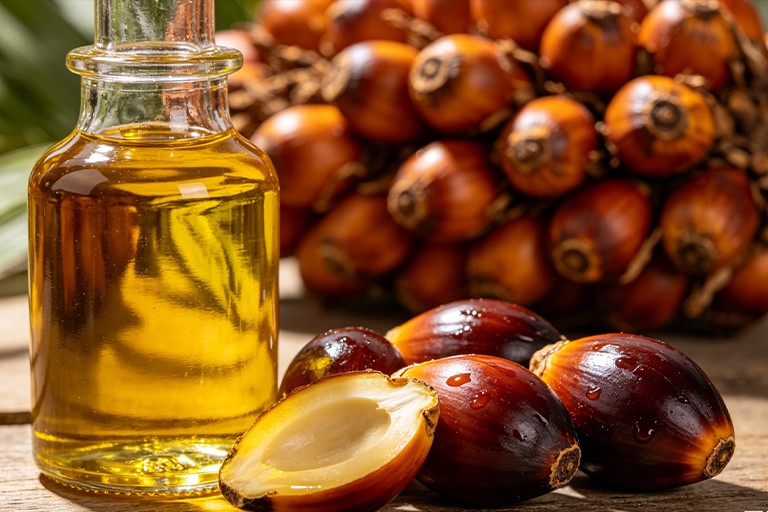
Palm oil is the world’s most widely produced and actively traded vegetable oil, alongside soybean oil and rapeseed oil as the “top three global vegetable oils.” According to the latest data from the United States Department of Agriculture, global palm oil production is projected to reach a record 80.7 million tons in the 2025/26 season, representing a year-on-year increase of approximately 3%.
Data from the Indonesian Palm Oil Association indicates that Indonesia’s crude palm oil output is expected to grow by about 7.19% year-on-year to 56.55 million tons in 2025. Meanwhile, the Malaysian Palm Oil Board forecasts Malaysia’s production to reach approximately 20.2 million tons in 2025, up around 4.9% from 2024.
With production continuing to rise, global palm oil trade volumes are expanding rapidly, driving increasing demand for efficient and cost-effective bulk transportation solutions.
Palm Oil: A Versatile Oil from Table to Industry
Palm oil’s position as the world’s leading vegetable oil is closely tied to its wide range of applications.
In the food sector, its excellent stability, strong oxidative resistance, and high smoke point make it widely used in instant noodles, biscuits, chocolate, ice cream, margarine, and blended cooking oils.
In industrial applications, palm oil and its derivatives serve as key raw materials for soap production, biodiesel, lubricants, and paper additives. In recent years, policies such as Indonesia’s “B40” biodiesel blending mandate have further expanded industrial demand for palm oil.
Meeting Bulk Demand: Why Flexitanks Stand Out
Facing massive shipment volumes, traditional transport methods—such as drums and tank containers—are increasingly constrained. Drums offer limited capacity, require intensive labor, and generate significant packaging waste. Tank containers involve high leasing costs, require repositioning of empty units, and demand complex cleaning processes with potential cross-contamination risks.
Flexitanks, by contrast, are ideally suited to the transportation characteristics of palm oil, effectively addressing these challenges:
l Cost Efficiency: Designed for standard 20-ft containers, flexitanks can load up to 24,000 liters per unit—approximately 35% more capacity than drum transport. As a single-use solution, they eliminate the need for return logistics and cleaning, significantly reducing tank container rental and maintenance costs. Overall logistics costs can be reduced by 30%–40%.
l Safety and Purity: Manufactured with food-grade multi-layer PE/PP materials compliant with FDA and EU standards, flexitanks provide excellent oxygen and contamination barriers, preventing oxidation and spoilage. Fully sealed systems ensure zero leakage, while the “one container, one flexitank” model eliminates cross-contamination risks and safeguards product quality.
l Operational Efficiency and Flexibility: Installation and loading can be completed by two operators in approximately 20 minutes, far exceeding the efficiency of traditional methods. Flexitanks are compatible with multimodal transport—including sea, rail, and road—enabling seamless integration into global logistics networks and supporting stable export flows from Indonesia and Malaysia to worldwide markets.
l Sustainability: Lightweight design helps reduce carbon emissions during transportation. After use, materials can be recycled, minimizing waste compared to drums or rigid containers and aligning with global green logistics trends.
As global palm oil trade continues to expand, flexitanks—offering low cost, high safety, superior efficiency, and strong adaptability—have become the preferred solution for large-scale bulk transportation. They empower businesses to capitalize on rising production, optimize supply chain efficiency, and ensure reliable, cost-effective delivery across global markets.
 2026-01-30 09:14:56
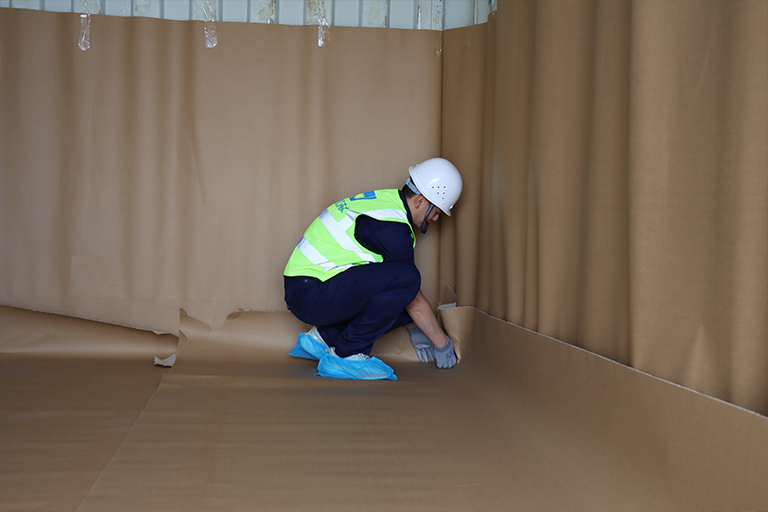
As the core category of flexible storage and transportation containers, flexitanks, with their prominent advantages of high efficiency, economy and flexibility, have been widely used in many industries such as grain and oil, food, chemical industry and daily chemicals. They are specially adapted to 20-foot standard containers for long-distance transportation and bulk storage of liquid goods. Compared with traditional barrel-type storage and transportation, flexitanks can greatly improve loading efficiency, reduce packaging and return costs, and become the preferred solution for many enterprises to optimize their supply chains. However, the exertion of flexitank advantages is always inseparable from standardized installation operations.
I. Core Importance of Flexitank Installation
Installation is the first line of defense for flexitank storage and transportation, and also the basic link determining the success or failure of storage and transportation. Its standardization is directly related to three core aspects: first, flexitank service life. Standardized installation can avoid flexitank damage caused by uneven force and friction scratches, and improve the stability of its single use; second, cargo safety. It can effectively eliminate cargo loss caused by flexitank leakage and damage, especially suitable for categories with high purity requirements such as food and fine chemicals; third, operating costs. It reduces additional expenses such as replenishment, maintenance and claim settlement caused by improper installation, and truly exerts the core value of flexitank in cost reduction and efficiency improvement. On the contrary, irregular installation is likely to cause potential safety hazards, which is not worth the loss.
II. Specific Key Points for Flexitank Installation (Must-See)
The installation operation must follow the three core steps of "cleaning — installation — fixation", and each step has clear detailed requirements, which are specifically as follows:
1. Container Cleaning: Eliminate Scratch Hazards Before installation, the interior of the container must be thoroughly cleaned, and sharp debris (such as iron nails, gravel, plastic edges), residual stains and protrusions in the container must be removed one by one; for sharp parts such as welding joints and corners in the container, additional anti-collision strips or protective pads must be pasted to ensure that the inner wall of the container is smooth and free of foreign objects, and avoid flexitank scratches from the source.
2. Flexitank Installation: Accurate and Standard Placement Put the flexitank into the container smoothly, adjust the position of the flexitank to ensure that it is placed in the center without distortion or folding; the inlet and outlet valves of the flexitank must face the container door, which is convenient for subsequent filling and unloading operations, and avoids valve extrusion and collision.
3. Fixation and Protection: Prevent Displacement During Transportation After installation, fix the surrounding of the flexitank with special fixing belts, focusing on fixing the corners and valve parts of the flexitank; the fixing force should be moderate, which not only prevents flexitank displacement and friction during transportation, but also avoids flexitank damage caused by excessive extrusion, ensuring that the flexitank remains stable during transportation.
Standardized installation seems to be a basic detail, but it is the key to the safe storage and transportation of flexitanks and the effective exertion of their advantages. Only by strictly following the above key points and keeping the bottom line of installation can flexitanks truly save worry, reduce costs and improve efficiency for enterprises, and build a solid safety barrier for the storage and transportation of liquid goods.
 2026-01-23 16:17:44
Cosmetic raw materials (essence, essential oil, humectant, surfactant, etc.) are mostly characterized by easy oxidation, contamination susceptibility, temperature sensitivity and uneven viscosity. Traditional storage and transportation are prone to problems such as deterioration, reduced purity and excessive loss, which directly affect the quality of end products.
The specialized flexitank for cosmetic raw materials is tailor-made to meet industry rigid demands, accurately solves storage and transportation pain points, and fully guards the purity and activity of raw materials, building the first line of defense for the supply chain of beauty and cosmetics enterprises.
I. Core Advantages, Precisely Adapting to Cosmetic Raw Material Storage and Transportation
1. Clean and Anti-Contamination, Strictly Controlling Purity
Adopting food-grade/pharmaceutical-grade special PE raw materials, odorless and no substance migration, complying with the safety standards of contact materials in the beauty and cosmetics industry; aseptic production process, multi-dimensional cleanliness testing before delivery, residue-free and ready for direct loading, eliminating cross-contamination.
2. Temperature Control and Anti-Oxidation, Stabilizing Activity
Multi-layer composite sealing structure, isolating air and moisture, avoiding raw material oxidation, discoloration and loss of active ingredients.
3. Efficient Cost Reduction, Adapting to Multiple Viscosities
20-foot container compatible model, volume 18-24m³, single loading capacity 16-22 tons, 30% higher loading capacity than traditional barrel-type; packaging cost is only 20% of steel barrels, no empty container return or cleaning fees, saving over 30% of total storage and transportation costs; equipped with large-diameter special valve, adapting to fast filling/unloading of high and low viscosity raw materials.
4. Convenient and Flexible, Adapting to Multi-Scenarios
Paving can be completed by 1 person in 30 minutes, no professional auxiliary equipment required; compatible with road-rail-sea multimodal transportation, realizing "door-to-door" direct delivery, reducing transshipment loss (loss rate ≤ 0.1%).
II. Quality Assurance, Peace of Mind Throughout the Process
Multi-layer seamless welding process, outer bag made of high-strength PP woven cloth, impact-resistant, anti-damage and leak-proof; each batch passes 10 special tests including sealing performance, temperature resistance and tensile strength, with a unique traceability code for full-process traceability; equipped with product liability insurance, professional team provides full-process tracking services to solve worries about storage and transportation.
III. Application Scenarios
Long-distance transportation and bulk storage of various liquid cosmetic raw materials such as essence, essential oil, glycerin, propylene glycol, hyaluronic acid solution, surfactant and makeup remover oil.
Choosing the specialized flexitank for cosmetic raw materials means choosing a stable, clean and efficient storage and transportation solution. It helps beauty and cosmetics enterprises break through supply chain bottlenecks, guard the high quality of every batch of raw materials, and escort end cosmetic products!
 2025-12-15 15:04:51
Latex liquids (natural latex, synthetic latex, etc.) are characterized by high viscosity, easy solidification and contamination susceptibility. Traditional storage and transportation methods are prone to problems such as agglomeration, deterioration and high losses. The specialized flexitank for latex liquid specifically addresses industry pain points. With customized design and strict quality control, it has become an efficient and safe choice for latex liquid storage and transportation.
I. Core Advantages: Precisely Adapting to Latex Storage and Transportation Needs
1. Anti-Coagulation and Thermal Insulation, Stabilizing Latex Activity
- Heating pad optional to avoid low-temperature solidification of latex
2. Clean and Anti-Contamination, Ensuring Product Purity
- Food-grade/industrial-grade special PE raw materials, odorless, preventing contamination
- Aseptic production process, strict cleanliness testing before delivery, ready for direct loading and use
3. Efficient Loading, Significantly Reducing Costs and Improving Efficiency
- 20-foot container compatible model, volume 20-24m³, single loading capacity 18-22 tons, 35% higher loading capacity than traditional barrel-type
- Packaging cost is only 20% of that of steel barrels, no empty container return fee or cleaning fee, saving over 30% of total storage and transportation costs
4. Convenient Operation, Adapting to Multimodal Transportation
- Paving can be completed by 2 people in 30 minutes, equipped with large-diameter valve, filling/unloading can be finished within 1 hour
- Compatible with road-rail-sea multimodal transportation, realizing "door-to-door" direct delivery, reducing transshipment losses
II. Quality Assurance: Multiple Protections for More Peace of Mind
- Multi-layer seamless welding process, outer bag made of high-strength PP woven cloth, impact-resistant, anti-damage, preventing leakage
- Each batch passes 10 special tests including sealing performance, tensile strength and puncture resistance, with unique traceability code
- Equipped with product liability insurance, full-process professional team tracking service, solving worries about storage and transportation
III. Application Scenarios
Long-distance transportation and bulk storage of various latex liquids such as natural latex, synthetic latex, nitrile latex, and latex coating raw materials
Choosing the specialized flexitank for latex liquid means choosing a stable, efficient and economical storage and transportation solution. With our customized products and professional services, we help the latex industry break through storage and transportation bottlenecks and guard the quality and safety of every batch of goods!
 Tel:+ 86 17512811383
 Fax:+ 86 17512811383
 E-mail:sales@uflexitank.com
 Add:No.1, Logisitcs Industrial Estates, Chigang Hill Haizhong Village Fangcun, Liwan District, Guangzhou, China