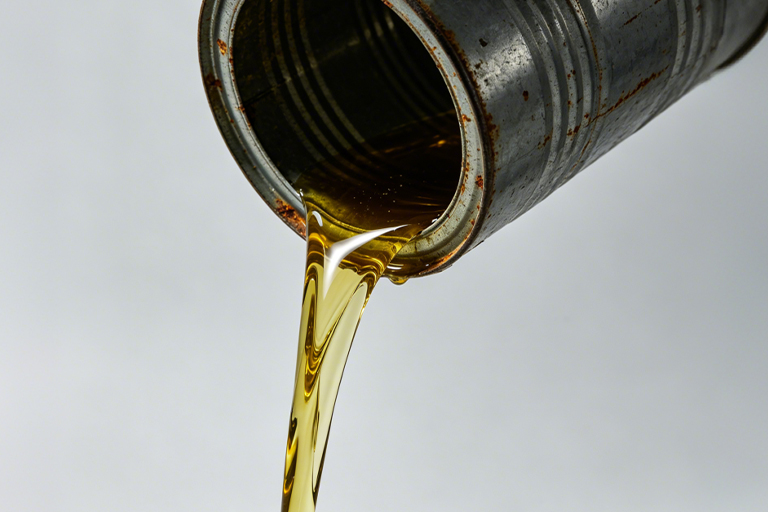


As global decarbonization policies accelerate, the demand for biofuels and Sustainable Aviation Fuel (SAF) is rapidly increasing worldwide. Europe, the United States, and Southeast Asia are continuously raising biodiesel and SAF blending mandates, driving strong growth in the cross-border transportation of liquid biofuel feedstocks such as palm oil, Used Cooking Oil (UCO), animal fats, and vegetable oils.
This fast-growing market is creating new challenges for bulk liquid logistics. Traditional transportation methods, including drums and ISO tank containers, are often limited by high operating costs, complex cleaning procedures, and inefficient turnaround times. As a result, more producers, traders, and logistics providers are turning to flexitanks as a more efficient and economical transportation solution.
Designed for standard 20-ft containers, flexitanks can load up to 24,000 liters of non-hazardous liquid cargo, significantly increasing payload compared with drums or IBCs. This higher loading capacity helps reduce freight cost per liter and improves overall supply chain efficiency—especially for large-volume biofuel feedstock exports from Southeast Asia to Europe and North America.
Flexitanks also offer major operational advantages. As a single-use solution, they eliminate the need for tank cleaning, return logistics, and repositioning of empty containers. This not only reduces operational complexity and costs, but also minimizes the risk of cross-contamination—an increasingly important factor for feedstocks used in renewable fuel production.
Food-grade multi-layer PE/PP materials provide excellent sealing and contamination protection during long-distance transportation. Combined with fast loading and unloading operations, flexitanks enable smoother cargo handling and shorter turnaround times across ports, rail terminals, and inland distribution networks.
Sustainability is another key reason behind the growing adoption of flexitanks in biofuel logistics. Lightweight packaging helps reduce transportation-related carbon emissions, while recyclable materials support greener supply chain initiatives and ESG goals.
As global demand for biodiesel and SAF continues to rise, efficient bulk liquid transportation is becoming more critical than ever. With their advantages in cost efficiency, operational flexibility, cargo safety, and sustainability, flexitanks are increasingly becoming an essential logistics solution for the future of biofuel feedstock transportation.
 Tel:+ 86 17512811383
 Fax:+ 86 17512811383
 E-mail:sales@uflexitank.com
 Add:No.1, Logisitcs Industrial Estates, Chigang Hill Haizhong Village Fangcun, Liwan District, Guangzhou, China