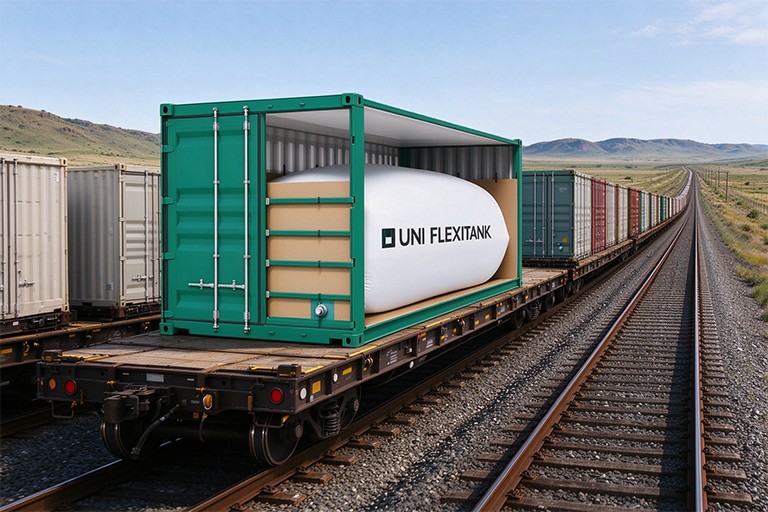


Long-distance transportation puts flexitanks through more than just the movement of cargo from one destination to another. During an international shipment, a flexitank may experience extended transit times, repeated handling, changing temperatures, container movement, and different operating conditions across ports and transport networks.
For shippers and logistics providers, safety is therefore not determined by the flexitank alone. It depends on a complete system involving cargo compatibility, container condition, installation quality, loading procedures, transport management, and unloading operations.
At Uni Flexitank, we believe reliable bulk liquid transportation starts with the right preparation and consistent control at every stage.
1. Cargo Compatibility: Start with the Right Flexitank
Different liquids have different physical and chemical properties. Factors such as density, viscosity, temperature, chemical composition, and sensitivity to oxygen or moisture can all affect flexitank selection and transportation performance.
Before shipment, shippers should evaluate:
l Cargo compatibility: Ensure that the inner film and all product-contact components are compatible with the liquid being transported.
l Cargo density: Confirm that the planned loading weight is within the allowable payload of the container and the transport route.
l Viscosity: Consider whether the cargo can be loaded and discharged effectively using the available equipment.
l Temperature requirements: Check the cargo's loading, transit, and unloading temperature range, especially for temperature-sensitive or high-viscosity liquids.
l Special protection needs: Determine whether oxygen, moisture, or other barrier properties are necessary to help maintain cargo quality.
Choosing a flexitank based on cargo characteristics, rather than capacity alone, helps reduce avoidable risks during long-distance transportation.
2. Container Inspection: The Foundation of Installation Safety
A flexitank is installed inside a standard shipping container, making the container's structural condition an essential part of the safety system. Even a high-quality flexitank can be exposed to damage if the container has sharp edges, protruding nails, damaged flooring, or other defects.
Before installation, the container should be carefully inspected for:
l Sharp edges, burrs, nails, and protruding metal parts.
l Damaged, uneven, or weakened floorboards.
l Gaps, holes, and other defects in the container structure.
l Residual cargo, dust, moisture, or foreign materials.
l Conditions that could cause friction, puncture, or abrasion during transportation.
Any identified hazards should be addressed before the flexitank is installed. Appropriate protective materials should also be used where required to separate the flexitank from potential contact points.
3. Professional Installation: Prevent Problems Before Loading
Correct installation is another critical factor in flexitank safety. Improper positioning, inadequate securing, or incorrect valve placement may affect the flexitank's performance during filling and transportation.
A standardized installation procedure should include:
l Confirming that the selected flexitank matches the container and cargo requirements.
l Positioning the flexitank correctly inside the container.
l Installing bulkhead protection and other required supporting components.
l Ensuring that valves and fittings are correctly positioned and securely connected.
l Checking the flexitank and its accessories for visible damage before loading.
Installation should be performed by trained personnel following the manufacturer's instructions and applicable operating procedures. A final inspection before loading helps identify installation errors early and reduces the likelihood of problems developing after the container has left the loading site.
4. Controlled Loading: Avoid Overfilling and Excessive Stress
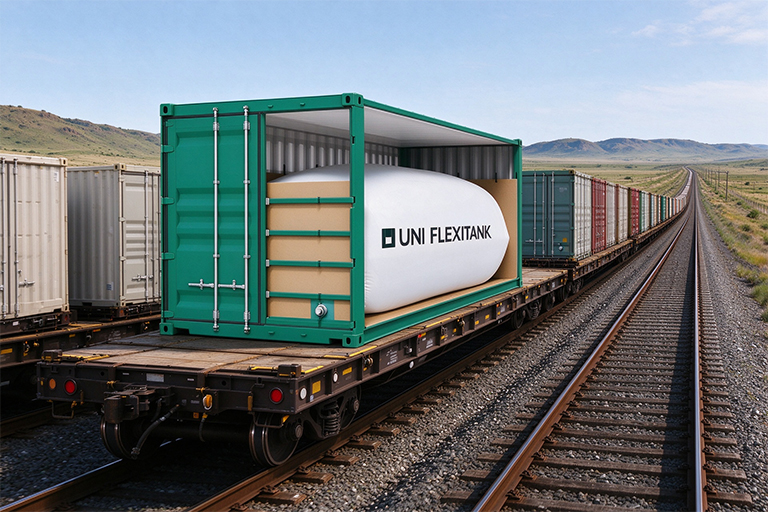
Overfilling or exceeding the allowable cargo weight can place excessive stress on the flexitank and container. Uncontrolled loading may also cause abnormal deformation or put unnecessary pressure on connections and fittings.
To support safe loading:
l Verify the cargo weight and target loading volume before operation.
l Confirm that the container's maximum payload and applicable transport limits will not be exceeded.
l Control the loading rate in accordance with the operating procedure.
l Monitor the flexitank's condition throughout the filling process.
l Inspect valves, fittings, and connections after loading.
The loading process should follow the flexitank manufacturer's recommended procedures and the applicable industry code of practice.
5. Safe Unloading: Complete the Shipment with Proper Procedures
Before discharge, operators should check the container, flexitank, valves, and unloading equipment. The discharge area should be suitable for the operation, and all personnel should follow the required safety procedures.
Important precautions include:
l Confirming that the receiving equipment is compatible with the cargo and flexitank connections.
l Checking that hoses and fittings are correctly connected and secured.
l Controlling the discharge rate in accordance with the operating procedure.
l Monitoring the flexitank throughout unloading.
l Following the recommended procedure for handling residual cargo and the empty flexitank.
For viscous or temperature-sensitive liquids, additional attention may be needed to ensure that the cargo can be discharged under suitable temperature and equipment conditions.
After unloading, the used flexitank should be handled and disposed of or recovered in accordance with applicable local regulations and waste-management requirements.
6. Choosing a Reliable Flexitank Manufacturer Matters
Flexitank safety is influenced by material quality, manufacturing consistency, product design, and technical support. Working with a qualified manufacturer helps shippers establish a more reliable packaging solution for their cargo and transportation routes.
When evaluating a flexitank supplier, consider the following:
l Material quality: Consistent film properties, reliable sealing, and suitable material structures.
l Product design: Flexitanks developed for different cargo characteristics, capacities, and operating conditions.
l Quality control: Established inspection procedures covering raw materials, production, finished products, and accessories.
l Compliance and testing: Relevant product testing and conformity with applicable industry requirements.
l Technical support: Professional guidance on product selection, installation, loading, and unloading.
At Uni Flexitank, we focus on developing and manufacturing flexitank solutions for compatible non-hazardous bulk liquids. We understand that every shipment has its own requirements, and we work to help customers select suitable products based on cargo properties, container specifications, and transportation conditions.
Conclusion: Flexitank Safety Is a Complete Process
Safe long-distance flexitank transportation is never the result of one factor alone. It is built through a series of connected controls—from cargo assessment and container inspection to professional installation, controlled loading, careful transportation, and proper unloading.
A suitable flexitank, combined with standardized operating procedures and effective coordination among all parties, helps reduce avoidable risks and supports more reliable bulk liquid transportation.
At Uni Flexitank, we are committed to making every shipment safer through reliable products, professional expertise, and practical transportation solutions.
 Tel:+ 86 17512811383
 Fax:+ 86 17512811383
 E-mail:sales@uflexitank.com
 Add:No.1, Logisitcs Industrial Estates, Chigang Hill Haizhong Village Fangcun, Liwan District, Guangzhou, China